June 30, 2026
Vehicle owners often dedicate substantial time to maintaining the exterior shine and mechanical health of their vehicles while overlooking the interior cabin. The environment inside a vehicle experiences daily wear, exposure to sunlight, and temperature fluctuations that gradually degrade the seating surfaces. Unfortunately, a variety of misunderstandings surround the care, restoration, and material choices associated with vehicle interiors, causing people to make suboptimal decisions that impact their daily comfort. Many drivers avoid necessary upgrades or overpay for maintenance routines based on inaccurate information passed down through generations. By exploring the reality behind these widespread myths, vehicle owners can better protect their investments, enhance driving comfort, and ensure their cabins remain in pristine condition. Understanding the truth about auto upholstery care enables smarter decisions regarding preservation and professional restoration services.
1. Believing That Leather Requires Constant Maintenance
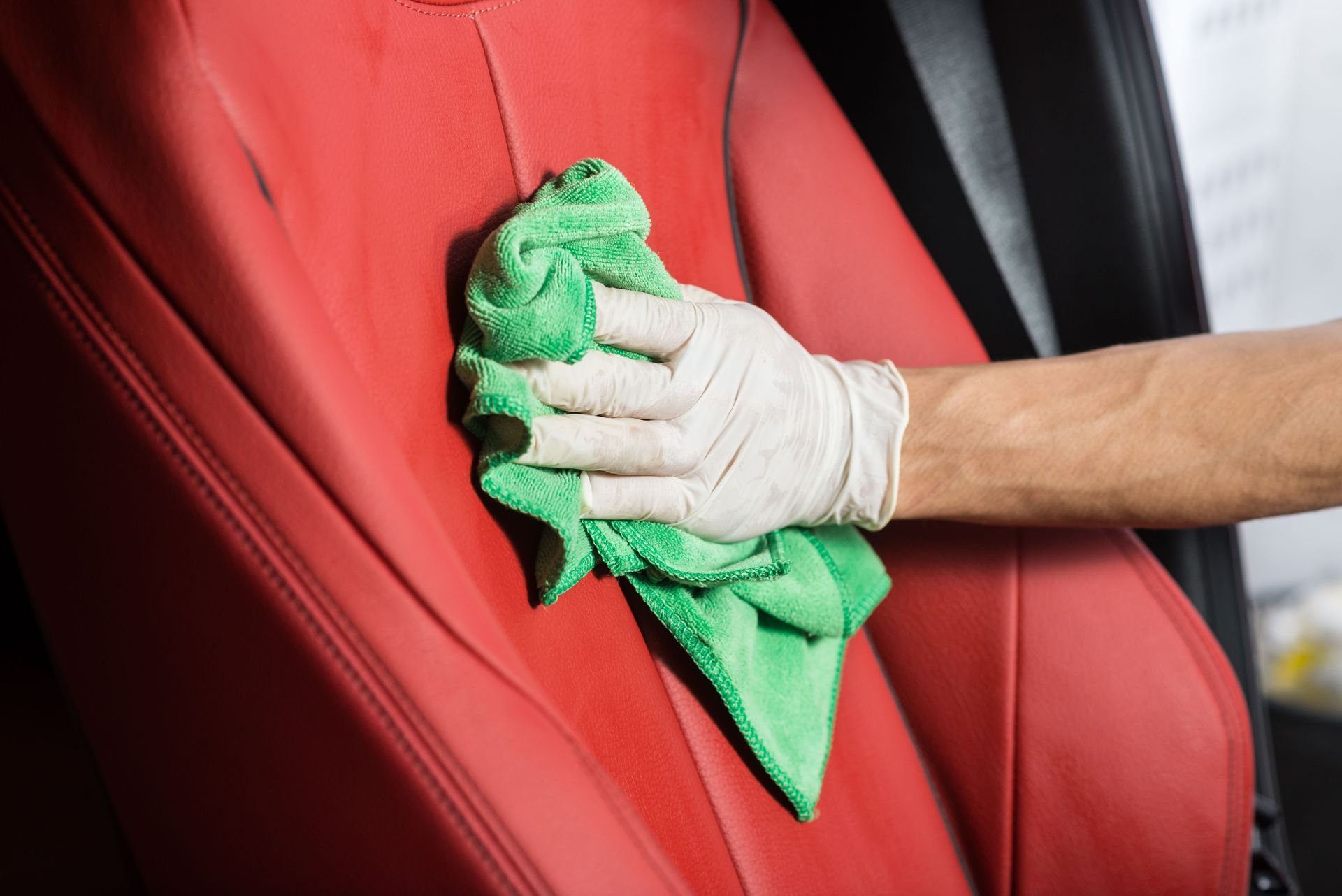
A widespread myth among vehicle owners is that choosing premium leather seating requires an exhausting and continuous dedication to maintenance. Many drivers opt for basic cloth alternatives simply because they fear the perceived workload of keeping leather looking pristine and preventing it from cracking. In reality, modern automotive leather undergoes advanced manufacturing processes that treat the material with protective topcoats designed to withstand regular daily use. These specialized protective layers resist spills, prevent immediate staining, and guard against the fading effects of ultraviolet radiation without requiring daily intervention. Consequently, keeping these surfaces clean generally requires nothing more than a routine wipe down with a damp cloth to remove surface dust and keep the finish looking brand new.
Deep conditioning and intensive cleaning are actually occasional tasks rather than weekly obligations for the typical driver. Applying a dedicated conditioner a few times throughout the annual cycle is usually more than sufficient to preserve the suppleness and longevity of the material. Over-conditioning or applying products too frequently can actually attract dirt and cause the fibers to break down prematurely, creating the exact problems owners try to avoid. Striking a balanced approach by using gentle products periodically ensures that leather auto upholstery remains luxurious without consuming hours of personal time. Detailing teams possess the exact knowledge required to feed the material without leaving greasy residues behind, allowing owners to enjoy luxury without the stress of constant upkeep or expensive trial and error.
2. Thinking That Minor Tears Necessitate Total Replacement
When an owner notices a small rip, puncture, or failing seam in their vehicle cabin, panic often sets in under the assumption that the entire seat must be replaced. This misconception leads many individuals to ignore minor damage, allowing a simple tear to expand into a catastrophic structural failure over time. In truth, modern restoration techniques are incredibly advanced, allowing skilled technicians to patch, stitch, and blend localized damage seamlessly into the surrounding material. Specialized compounds and precise color-matching systems can restore vinyl, leather, and fabric surfaces to their original appearance without altering the rest of the cabin. Addressing these issues early prevents the damage from spreading and saves vehicle owners significant amounts of money compared to purchasing entirely new components.
Opting for targeted repairs rather than complete overhauls is a highly efficient way to manage the interior health of any vehicle. Professional technicians possess specialized tools designed to repair specific panels or sections of a seat without disturbing the surrounding factory craftsmanship. This approach preserves the original aesthetics of the cabin while ensuring that structural integrity remains completely uncompromised. Ignoring small blemishes because of the fear of massive replacement expenses is a mistake that ultimately reduces the resale value of the automobile. Trusting skilled experts to perform localized intervention ensures that the auto upholstery remains beautiful and durable throughout the lifespan of the vehicle.
3. Assuming That Fabric Is Always Inferior To Leather
There is a lingering perception in the automotive community that cloth interiors are inherently cheap, fragile, and undesirable compared to their leather counterparts. While leather certainly offers a classic premium aesthetic, modern textile engineering has advanced significantly, creating fabric options that deliver exceptional durability and comfort. High-grade synthetic textiles used in auto upholstery are specifically engineered to resist stains, repel moisture, and withstand heavy friction from daily commutes without tearing or piling. Furthermore, cloth surfaces do not absorb extreme ambient temperatures, meaning they stay comfortably cool during scorching summer days and pleasantly warm during freezing winter mornings. Choosing fabric can represent a deliberate preference for comfort and resilience rather than a mere budgetary compromise forced upon them by standard dealership packages.
Modern textiles also offer an extensive variety of patterns, textures, and custom designs that allow vehicle owners to personalize their cabins uniquely. Advanced stain-resistant treatments applied during manufacturing mean that modern cloth can handle accidental spills and muddy paws much better than the fabrics of previous decades. Regular vacuuming combined with occasional steam cleaning keeps these advanced textiles looking fresh and hygienic with minimal effort. Evaluating interior options based purely on outdated notions of material hierarchy causes buyers to overlook the significant practical advantages that high-quality cloth provides. Ultimately, selecting the right material depends entirely on individual lifestyle needs, geographical climate, and personal aesthetic preferences rather than arbitrary standards of luxury that fail to account for daily utility.
4. Expecting That Sourcing Materials Is Always Simple
Many consumers assume that automotive restoration shops can instantly obtain any material, color, or texture required for a cabin refresh. This assumption overlooks the complex global logistics networks required to manufacture and transport specialized textiles, genuine leathers, and synthetic compounds. Global manufacturing networks rely on seamless trade paths to deliver specific dyes and backing materials to production facilities worldwide. According to 360iResearch, the cumulative impact of U.S. tariffs implemented in early 2025 has impacted global automotive upholstery supply chains, prompting stakeholders to reassess sourcing strategies and material portfolios. These broader economic shifts mean that certain specialized fabrics or foreign-sourced materials might experience unexpected delays or pricing fluctuations. Recognizing that material availability fluctuates based on international trade helps owners plan their restoration projects with realistic timelines and accurate financial expectations.
Navigating these dynamic supply chains requires working with established professionals who maintain strong relationships with diverse distributors and manufacturers. Experts in the field can recommend excellent alternative materials that match the original look and feel of the cabin while avoiding lengthy backorders. These alternative selections frequently offer identical aesthetic appeal and longevity while supporting faster project completion timelines for eager vehicle owners. Understanding that material procurement involves intricate global factors prevents frustration and allows for a collaborative planning process between the client and the technician. By staying flexible and relying on professional guidance, vehicle owners can successfully navigate market challenges and achieve beautiful results for their vehicles. Ensuring that the chosen auto upholstery meets high-quality standards requires patience and expertise in an ever-changing global marketplace.
Maintaining the interior of a vehicle involves separating persistent myths from modern realities to make informed decisions. From recognizing the resilience of modern leather to understanding the advanced engineering behind contemporary fabrics, proper care is simpler and more rewarding than many realize. Investing time and attention into understanding the true nature of cabin materials prevents costly mistakes and ensures long-term driving satisfaction. Small damages do not signify the end of a seat, and global supply shifts require a bit of patience and flexibility when selecting replacement materials. Entrusting interior care to experienced professionals ensures that the vehicle cabin remains a comfortable, valuable, and beautiful space for every commute. For those ready to restore, protect, or upgrade their auto upholstery with expert guidance and exceptional service, the best step forward is to contact Auto Detail Spot today to schedule an evaluation.